The latest event highlighted both near-term products and longer-term ambitions
Over four days, Dreame used its launch event to show how far it aims to expand across consumer technology. The lineup moved from experimental mobility concepts to robotic home appliances, connected devices, and personal care tools.
The event outlined a broad vision for a lifestyle ecosystem built around automation, hardware, and software. For everyday consumers, the more useful question is straightforward: which products are close enough to matter now, and which ones remain part of Dreame’s longer-term roadmap?
Day 1: Mobility concepts and system design
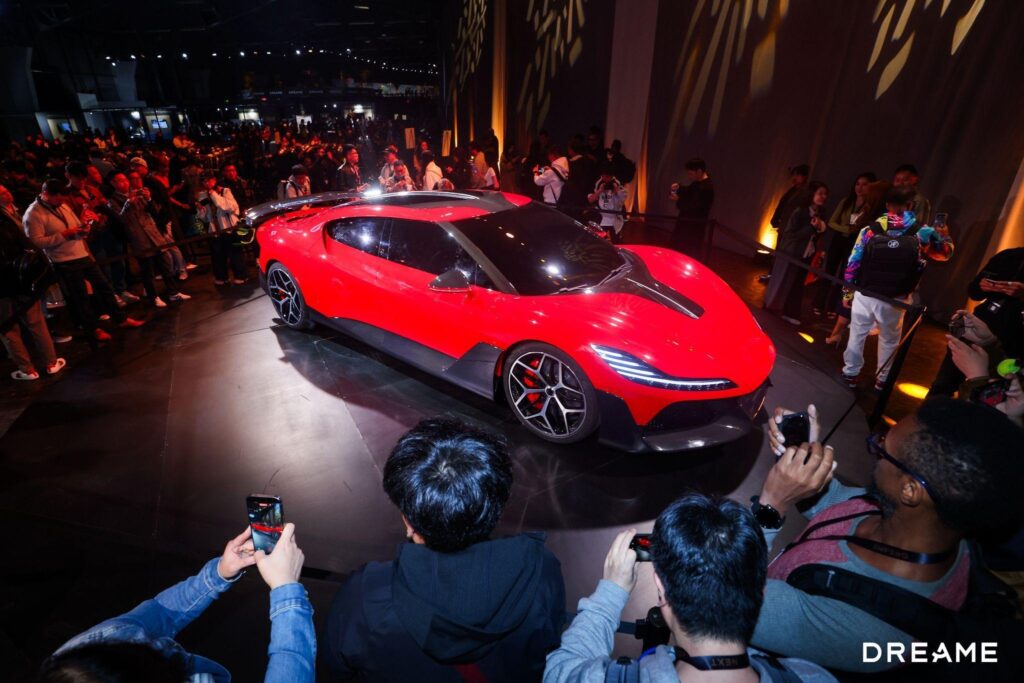
Image courtesy of DREAME
The first day centered on advanced mobility, including a concept vehicle designed to highlight Dreame’s engineering work rather than signal a mass-market release.
The vehicle drew attention, but the more relevant takeaway was the technology behind it. Dreame highlighted high-resolution LiDAR systems and autonomous driving architecture, both of which reflect wider industry efforts to improve sensing, data processing, and real-time responsiveness in vehicles.
That systems-focused thinking carried into the rest of the event. Across several categories, Dreame returned to a consistent idea: devices that collect information, process it, and respond with less user input.
Day 2: Home technology and near-term applications
The second day moved into more familiar territory: the home. This portion of the showcase included robotic cleaning products, smart appliances, and air systems designed to support everyday tasks.
Examples included:
- A robotic vacuum designed to reach corners and edges more effectively
- A washing system with automated handling features
- A refrigerator with sensors that respond to changing internal conditions
- An air purifier designed to reduce maintenance needs
- A fan and purifier combination that adjusts airflow based on the room
These products reflect Dreame’s current strengths. Many build on categories consumers already understand, with updates centered on convenience, automation, and reduced hands-on effort.
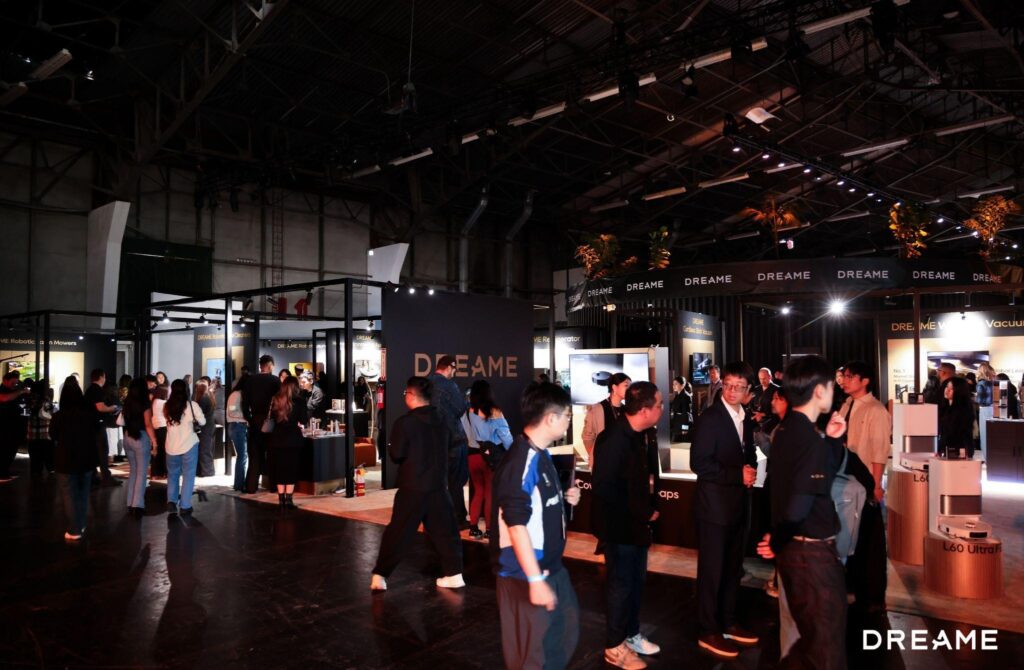
Image courtesy of DREAME
Several also appeared to be available now or moving closer to market. That makes this part of the showcase easier to place in context. Rather than asking consumers to adopt entirely new habits, Dreame’s approach here focuses on improving tasks people already do.
Day 3: Connected devices and emerging platforms
The third day expanded into smartphones, wearables, and AI-driven software systems. This section placed Dreame in a more competitive area of the tech market, where ease of use and ecosystem design carry significant weight.
The smartphone platform showcased at the event featured modular components, advanced imaging capabilities, and AI tools to assist with tasks. Dreame also introduced wearable devices such as health-tracking rings, lightweight glasses, and pendants that gather and interpret user data.
Taken together, these products suggest a future in which multiple devices operate as part of a connected system. The challenge will be making that system feel simple. Consumers already manage several devices, and any added AI layer will need to reduce friction rather than create more complexity.
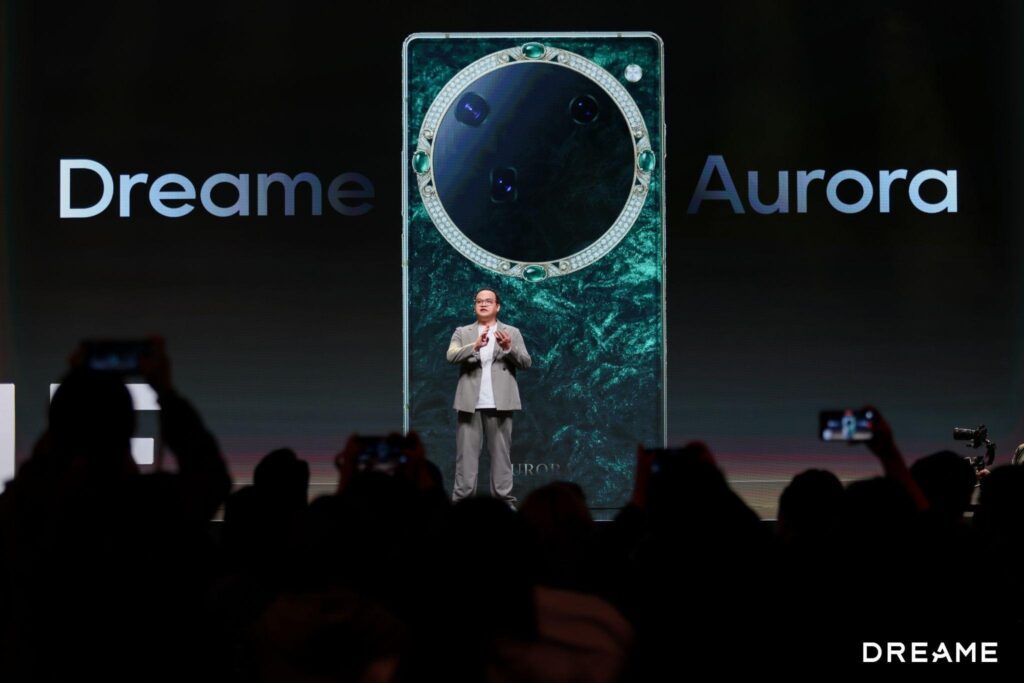
Image courtesy of DREAME
Day 3 (continued): Personal care and practical innovation
The personal care segment stood out as one of the more immediately practical areas of the showcase. Dreame presented hair dryers, grooming tools, and skincare devices that build on familiar formats.
These products incorporate updates such as airflow control, sensor-based adjustments, and material improvements. The focus appears to be on improving performance without requiring users to change their routines.
This category aligns with Dreame’s broader strategy: refine existing products through engineering and design improvements while adding a measured level of intelligence.
Day 4: A layered approach to product development
The final day brought together the event’s broader themes, highlighting Dreame’s ongoing focus on robotics, artificial intelligence, and connected systems. The company’s portfolio can be viewed across three general stages:
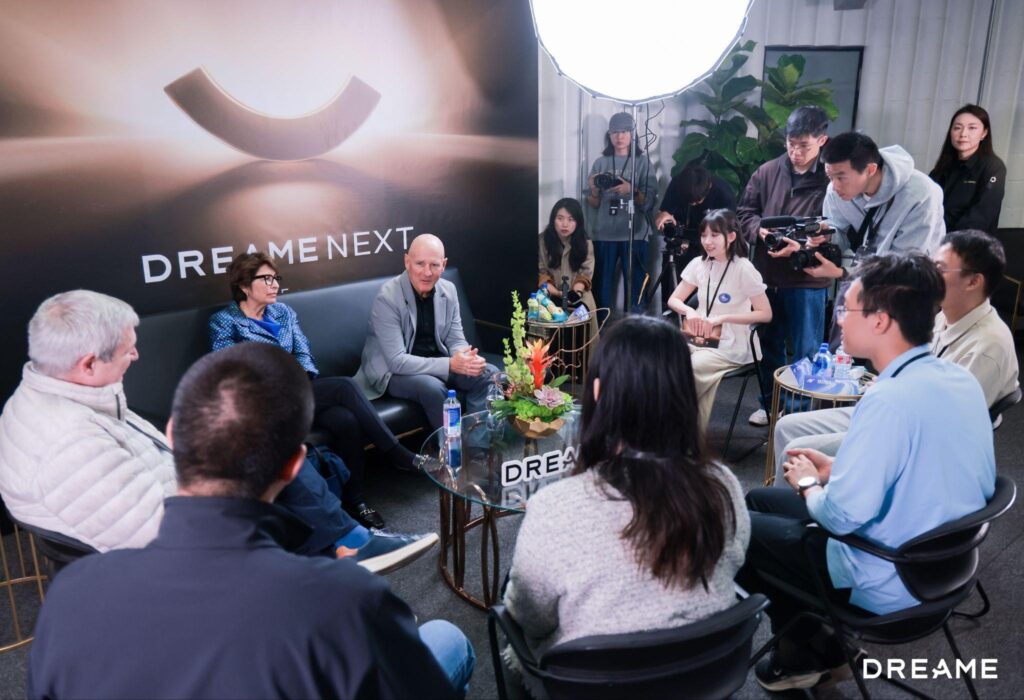
Image courtesy of DREAME
- Current offerings: Home appliances and personal care devices that are available or nearing release, with updates centered on usability and automation
- Developing technologies: Connected devices and AI systems that show potential but depend on further integration and adoption
- Experimental concepts: Mobility and other research-driven projects that demonstrate technical direction without clear near-term consumer applications
This structure reflects a mix of present-day products and longer-term exploration. Some offerings are positioned for immediate use, while others indicate where Dreame is directing its research and development efforts.
A broad strategy in a crowded market
The showcase pointed to Dreame’s strategy of expanding across multiple product categories while linking them through shared technology. This approach aligns with broader trends in consumer tech, where companies are building ecosystems that connect devices, data, and user experiences.
For consumers, the most immediate impact is likely to come from updates to familiar products, particularly in home technology and personal care. These categories offer clearer use cases and fewer barriers to adoption.
The larger ecosystem vision remains in development. Its success will depend on how effectively Dreame can make connected devices feel useful, reliable, and easy to integrate into everyday life.
Leave a Reply