Drying your hair without damaging it is easier said than done, because it takes into account more than just heat. Products, environment, and other factors can impact the health of your hair.
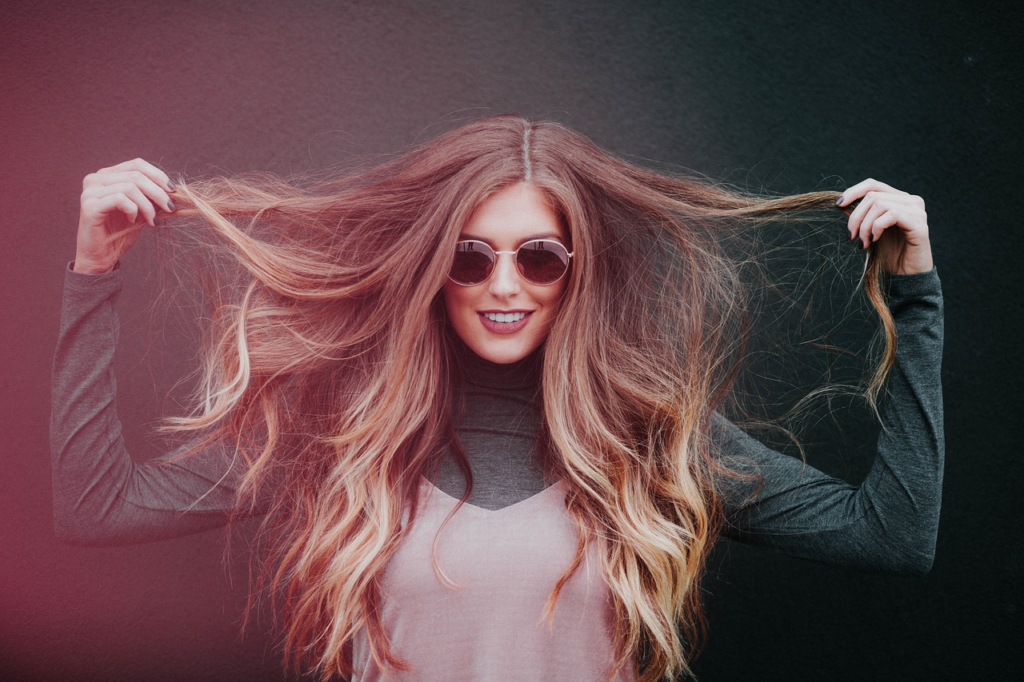
Image credit: Pixabay
Drying your hair can feel like a ritual, and like any ritual, it tends to require the right tools on hand. For many people, that might be a hair dryer, a towel, or a simple fan. Choosing the right items and products can impact how your hair feels all day.
Finding advice on how best to dry your hair can be tricky, in part because different hair types affect how well any given method works. That said, some general rules apply, many of which focus on how to manage variables like heat, exposure, and duration. Knowing why those variables matter starts by understanding why hair gets damaged in the first place.
Why hair can become damaged
Each hair strand consists of an outer protective layer called the cuticle and an inner structure called the cortex, which gives hair its strength and elasticity. Excessive heat, friction, chemical processing, and repeated tension can lift or wear down the cuticle, leaving the cortex exposed and hair more prone to dryness or breakage.
When discussing hair-drying methods, it helps to distinguish between temporary appearance concerns, such as frizz, dullness, and rough texture, as well as lasting physical damage, such as split ends, snapping, increased porosity, or persistent brittleness.
Unlike skin, hair can’t biologically repair itself once damaged. In practice, that means trimming split ends and reducing further stress can improve its appearance and keep the problem from spreading, but neither step generally reverses existing damage. Wet hair is especially vulnerable because it stretches more easily, which is why it is important to handle one’s hair gently after washing.
Preparing your hair
As tempting as it may be to go straight from the shower to a hair dryer on full blast, a couple of steps beforehand may reduce the likelihood of damaging your hair when drying.
First, try to remove excess water gently. Blotting or wrapping hair in a soft towel, rather than rubbing it vigorously, can cut down on the friction that often roughens the cuticle and causes tangling. Microfiber towels or soft cotton T-shirts may be useful alternatives to traditional bath towels, particularly for people whose hair tangles easily or becomes frizzy after washing. If time allows, letting hair partially air-dry before reaching for a heat tool may lessen overall exposure. Exactly how much air-drying makes sense depends on density, curl pattern, and styling goals.
After removing excess water comes detangling, but keep in mind that detangling is often best approached mindfully. Start at the ends and work upward in sections, using a wide-tooth comb or a gentle detangling method. Forceful brushing, especially on wet, fragile, bleached, or chemically treated hair, may increase the risk of breakage.
For those using a leave-in or heat-protection product, it’s important to follow instructions as written. These products can help manage friction and heat, but they do not eliminate risk entirely.
The last step in preparing one’s hair for drying is to decide which drying method works best for the occasion. Air-drying, towel-drying, and heat-assisted drying each come with trade-offs, and no single method suits everyone. Air-drying can cut down on direct heat exposure, but it does not fit every climate, schedule, or hair type.
Staying damp too long, meanwhile, creates its own problems, potentially including tangling, friction from pillows, and prolonged cuticle swelling. For many people, a practical middle ground is removing excess water gently, allowing for some partial air-drying, and then finishing efficiently with controlled heat if needed.
Hair type matters here. Fine or fragile hair often tolerates less heat and does better on lower settings. Thick or dense hair may need sectioning to dry evenly without excessive total exposure. Curly or coily hair generally benefits from minimal manipulation, which helps preserve its natural pattern. Chemically treated or color-treated hair, along with dry or highly porous hair, usually calls for gentler handling and lower heat since its cuticle is already more compromised.
Using heat more carefully
Many people opt to heat their hair to dry it faster, and while this approach is certainly more convenient than simply waiting for it to dry on its own, it may be more complicated than it looks at first glance.
When using a hair dryer, for example, it is typically best to use the lowest effective heat setting rather than defaulting to maximum, and keep the airflow moving instead of holding it over one spot. Using a concentrator nozzle can also help direct airflow toward specific sections, potentially reducing the need to repeatedly dry areas that have already received sufficient heat. Scalp discomfort is a useful warning sign; in other words, if the heat feels uncomfortable, it is probably too intense.
Users may also need to consider exposure time and frequency. Total heat exposure is a function of both temperature and duration, so it may be worth avoiding repeated passes over sections that are already dry. If the hair is showing signs of dryness or breakage, it might be time to consider cutting back on how often you reach for heated tools. Keep in mind that drying and subsequent heat styling (flat-ironing, hair curling, etc.) generally add up cumulatively.
When to seek professional advice
Although many hair problems are more cosmetic than anything else, such as occasional frizziness and split ends, some may warrant professional advice.
Sudden hair loss, scalp pain or sores, extensive breakage that does not improve, or significant texture changes, for instance, may be worth bringing up with a dermatologist or qualified hair professional. Styling adjustments cannot diagnose scalp disease or address nutritional deficiencies, so keep track of your routine in case that information offers insight into why an issue may be present.
Building a sustainable hair-care routine
For those starting a new routine outright or simply making changes to an existing one, consider monitoring those changes over the course of several weeks to gauge whether they appear alongside increased dryness or breakage. A single session can be informative, but observing changes over a longer period of time may provide more reliable conclusions.
If nothing else, people struggling to dry their hair without damage should consider prioritizing consistency over pursuing the “perfect” drying technique. Processes as simple as gentle towel handling, lower heat, and fewer repeated passes may prove more effective and practical than relying on technology alone to solve the problem. At the same time, needs can shift with the season, hair length, and chemical treatments, so people may want to reassess their routine every so often to see whether every step is working as intended.
This article is for informational purposes only and does not substitute for professional medical advice. If you are seeking medical advice, diagnosis or treatment, please consult a medical professional or healthcare provider.
Leave a Reply